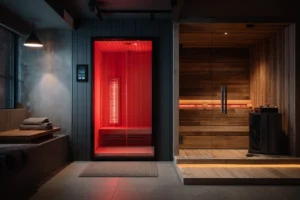
What is a low-emf infrared sauna? (measurements, mechanisms, and verification)

Short answer: A low-EMF infrared sauna minimizes electromagnetic field exposure from heaters and wiring, typically achieving readings below 3 milligauss (mG) for magnetic fields and under 5 volts per meter (V/m) for electric fields. This reduction matters because high EMF levels may create biological interference that could diminish photobiomodulation effectiveness—the cellular light therapy mechanism underlying infrared sauna benefits. The primary consideration is verifying claims through third-party testing, as “low-EMF” is not a regulated standard.
Last updated: January 2026
Key Takeaways
- EMF mitigation requires addressing both magnetic fields (mG) and electric fields (V/m) for comprehensive electromagnetic reduction
- Third-party testing is the only reliable verification method since manufacturers lack standardized reporting requirements
- Photobiomodulation depends on minimal electromagnetic interference to optimize cellular ATP production
- Heater placement and wiring design typically matter more than heater material (carbon vs ceramic)
The “Low-EMF” Promise: Moving Beyond Surface-Level Safety
If you’ve spent any time researching infrared saunas, you’ve undoubtedly encountered the term “low EMF.” It’s presented as a critical safety feature, a non-negotiable line item for any health-conscious buyer. And while minimizing unnecessary electromagnetic field exposure is certainly a prudent goal for any wellness routine, this intense focus on safety often misses a far more crucial point: therapeutic efficacy.
The conversation around low EMF needs to evolve. The real reason a low-EMF environment matters so profoundly in an infrared sauna isn’t just about what it protects you from, but what it allows your body to receive. A low-EMF environment is the clean, quiet foundation required for the sauna’s primary therapeutic mechanism to function effectively. Without it, you might just be sitting in a hot box, missing out on the deep cellular benefits that justify the investment in the first place.
It’s Not Just Heat: The True Engine of an Infrared Sauna
To understand why low EMF is critical for results, we first have to correct a common misconception. The primary benefit of a high-quality infrared sauna isn’t the heat itself; it’s the light. Specifically, it’s the delivery of certain wavelengths of infrared light directly to your cells in a process called photobiomodulation (PBM).
This isn’t a new-age concept; it’s a well-documented biological phenomenon. Research has established that low-level light therapy (LLLT) or photobiomodulation (PBM) therapy generally employs light at red and near-infrared wavelengths (600-1000 nm) to modulate biological activity. Within our cells are tiny power plants called mitochondria. These organelles are highly responsive to specific wavelengths of light. When photons from near infrared (NIR) and far infrared (FIR) light penetrate your tissues, they interact with a molecule in the mitochondria called cytochrome c oxidase. This interaction stimulates the mitochondria to produce more adenosine triphosphate (ATP), which is the fundamental energy currency of every cell in your body.
Think of it like this: PBM is like jump-starting your cellular batteries. More ATP means your cells have more energy to perform their functions—repairing damage, reducing inflammation, and fighting off oxidative stress. This cellular-level action is what drives the documented health associations with infrared sauna use, such as enhanced muscle recovery, pain relief, and immune system support. It’s a mechanism far more sophisticated than the simple radiant heat of a traditional Finnish sauna or the humid environment of a steam room.
Understanding how each infrared wavelength type affects cellular function and tissue response helps clarify why electromagnetic interference can diminish these mechanisms.
EMF as “Biological Static”: Why Interference Matters
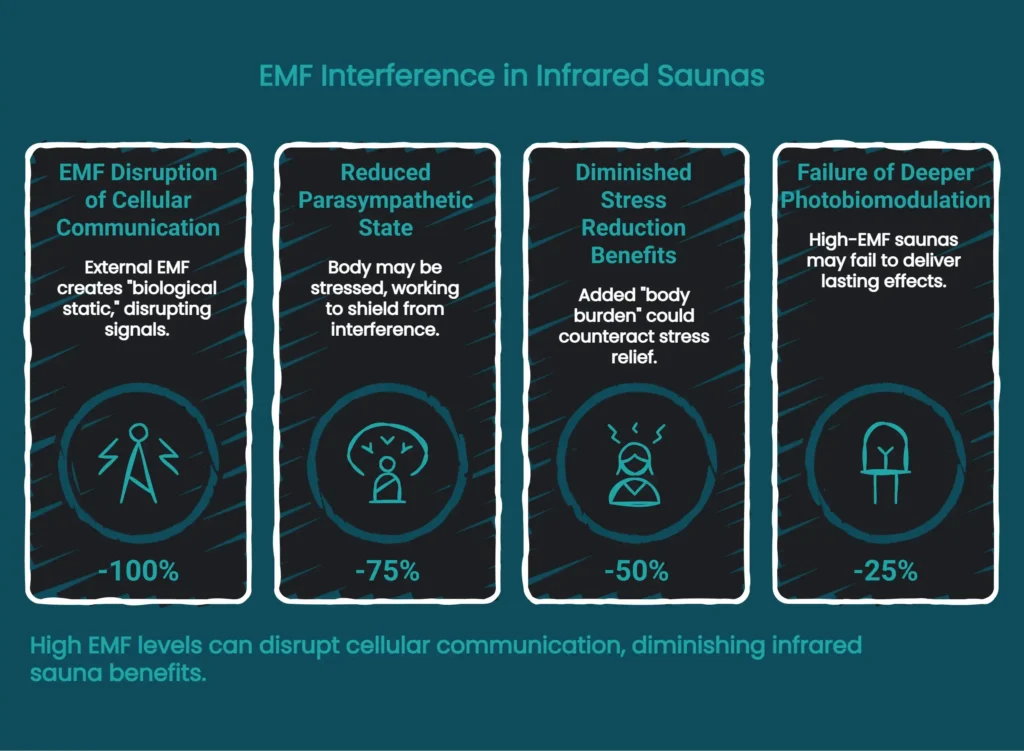
Your body is an incredibly complex bioelectric system. Your heart, brain, and nervous system all communicate and function using subtle electrical signals. When you introduce external electromagnetic fields into this delicate system, you create what can best be described as “biological static” or “electronic noise.”
This is the core thesis. The gentle, therapeutic signals sent by the infrared light are trying to “talk” to your mitochondria. High levels of man-made EMF and EF from heaters, wiring, and controllers may disrupt this cellular conversation. Instead of relaxing into a parasympathetic (rest-and-digest) state, your body may be subtly stressed, its cells working to shield themselves from this electronic interference. This added “body burden” could diminish or counteract the very benefits you’re seeking, like stress reduction and regulation of the autonomic nervous system.
A high-EMF sauna may still make you sweat and provide some benefits of heat shock proteins, but it may fail to deliver the deeper, more lasting effects of true photobiomodulation. Creating an electromagnetically clean environment is important for ensuring the light’s message is received by your cells.
Understanding the Noise: Deconstructing EMF and EF
To truly assess a sauna’s therapeutic environment, you must understand that “EMF” is often used as a catch-all term for two distinct types of fields. Addressing one without the other is like soundproofing a room but leaving the window open. A truly low-exposure sauna must mitigate both magnetic and electric fields.
Magnetic Fields (EMF)
Magnetic fields are the most commonly discussed part of the EMF equation. They are generated by the flow of electrical current and are measured in a unit called Milligauss (mG). In a sauna, high magnetic fields are typically produced by the heaters themselves and the internal wiring that powers them. When people ask, “What is considered low EMF for an infrared sauna?” they are usually referring to this measurement.
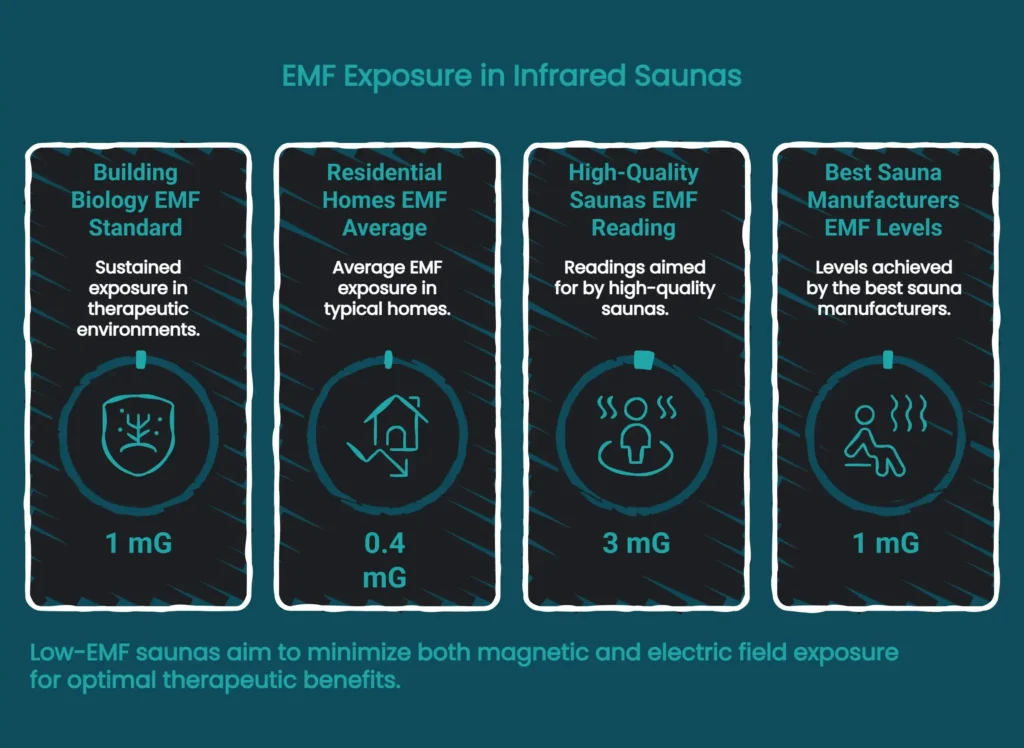
While there are no official safety standards, the general consensus in the wellness and building biology community is that sustained exposure levels should be as low as possible. According to 2025 building biology standards, sustained EMF exposure in therapeutic environments should remain below 1 mG, significantly lower than the 0.4 mG average found in residential homes.
These values are guidance thresholds used in building biology, not regulatory safety limits. High-quality saunas aim for readings under 3 mG, with the best sauna manufacturers achieving levels below 1 mG throughout the cabin.
Electric Fields (EF / ELF)
Electric fields, often designated as EF or ELF (Extremely Low Frequency), are the other half of the problem. These fields are produced by voltage and are present in wires even when a device isn’t actively drawing a lot of current. Measured in Volts per Meter (V/m), electric fields can radiate from wiring in the walls, floor, and ceiling of a poorly designed sauna, creating a field that can affect your body’s own electrical state.
Effective EMF mitigation must include proper shielding and grounding techniques to reduce these electric fields, creating a truly neutral space for your body to relax and heal.
Current Evidence for EMF and Photobiomodulation
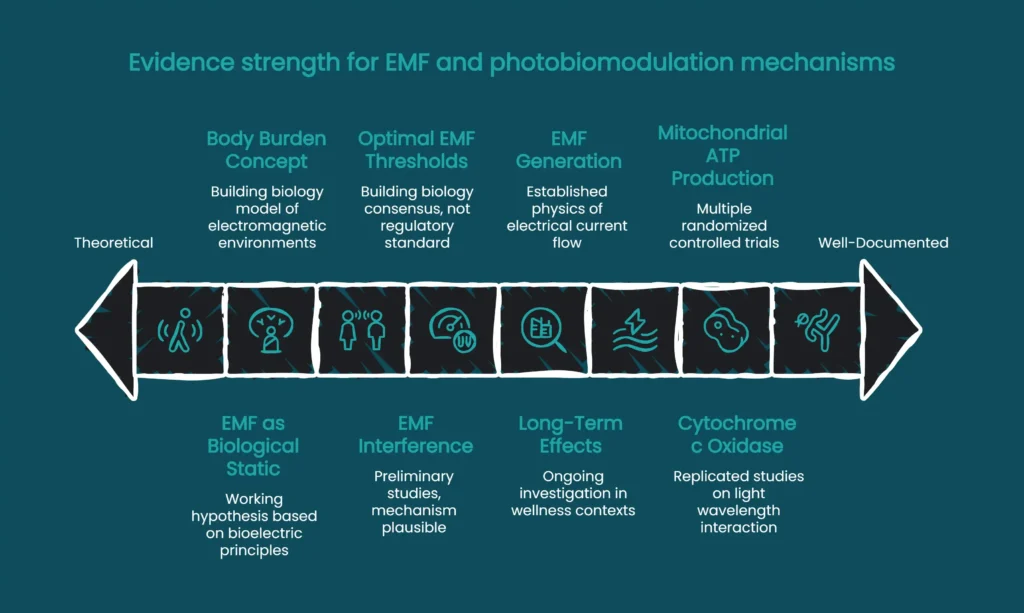
Understanding the strength of evidence behind these mechanisms helps set realistic expectations.
Well-Documented Mechanisms:
- Photobiomodulation’s effect on mitochondrial ATP production (multiple randomized controlled trials)
- EMF generation from electrical current flow (established physics)
- Cytochrome c oxidase interaction with specific light wavelengths (replicated studies)
Emerging Research:
- EMF interference with cellular signaling pathways (preliminary studies, mechanism plausible)
- Optimal EMF thresholds for therapeutic environments (building biology consensus, not regulatory standard)
- Long-term effects of low-level EMF exposure in wellness contexts (ongoing investigation)
Theoretical Framework:
- EMF as “biological static” interfering with photobiomodulation (working hypothesis based on bioelectric principles)
- Body burden concept in electromagnetic environments (building biology model)
From Marketing Claim to Measurable Quality: A Buyer’s Framework
Any company can put a “low-EMF” sticker on their product. To move beyond marketing and assess true quality, you need to know what to look for. Here is a framework to help you evaluate infrared saunas for both safety and therapeutic effectiveness.
Heater Technology: Carbon vs. Ceramic
The type of heater is a major factor. Both carbon heaters and ceramic heaters can be engineered to be low EMF, but their properties differ. Carbon heaters typically have a larger surface area, which allows them to operate at a lower temperature while delivering a high-quality, long-wave far infrared heat. This larger surface can sometimes make EMF mitigation more complex.
Ceramic heaters can get hotter and emit a more intense heat, but modern technology has allowed for the creation of very low-EMF ceramic models. The key is not the material itself, but the engineering, wiring, and shielding applied by the manufacturer.
The Power of Third-Party Testing
Do not rely solely on a manufacturer’s internal data. The gold standard for verifying a low-EMF claim is transparent, third-party testing. Look for companies that publish reports from independent labs showing the EMF and EF levels at various points inside the sauna cabin. An honest company will show you readings not just from the center of the sauna, but also from right up against the heating panels and near the floor where EMF hotspots can occur. For ultimate peace of mind, you can purchase a reliable EMF meter to test a sauna yourself.
Wiring and Component Placement
The design of the sauna itself speaks volumes. A conscientious manufacturer will strategically place all electrical components, wiring, and power supplies on the exterior of the cabin, typically on the roof, far away from your body. This simple design choice dramatically reduces the electric and magnetic fields inside the sauna, demonstrating a commitment to creating a clean therapeutic environment, not just meeting a minimum standard.
A Nuanced Perspective: Efficacy, Safety, and Mechanism
When you’re making an investment in your health, understanding the key decision factors is essential. Let’s compare these concepts directly.
Therapeutic Effectiveness
The ultimate goal of using an infrared sauna is to achieve a positive biological response. Whether you seek pain relief, cardiovascular support, or recovery enhancement, the effectiveness hinges on the delivery of infrared light to your cells. A low EMF/EF environment is important for this delivery, helping ensure the photobiomodulation process is not hindered by electronic interference, thereby supporting potential health benefits.
EMF Interference
High levels of EMF and EF may act as stressors on the body. This can increase your cumulative physiological stress load, which is the total amount of stressors your system is managing at any given time. For a tool that is meant to promote relaxation and stress reduction, introducing high levels of electronic noise is counterproductive. Research confirms the immense popularity of sauna bathing for these very reasons; a global survey highlighted that relaxation and pain relief are key drivers for use, making a low-stress environment essential.
Mechanism of Action
Is the sauna working through deep photobiomodulation or just surface heat? While all heat exposure offers some benefits, like the production of heat shock proteins, the unique promise of an infrared sauna lies in its ability to penetrate tissues and stimulate cellular energy. This is a targeted, light-based therapy. A high-EMF sauna may still deliver some surface heating effects, but it may compromise the primary mechanism of action that defines modern infrared therapy.
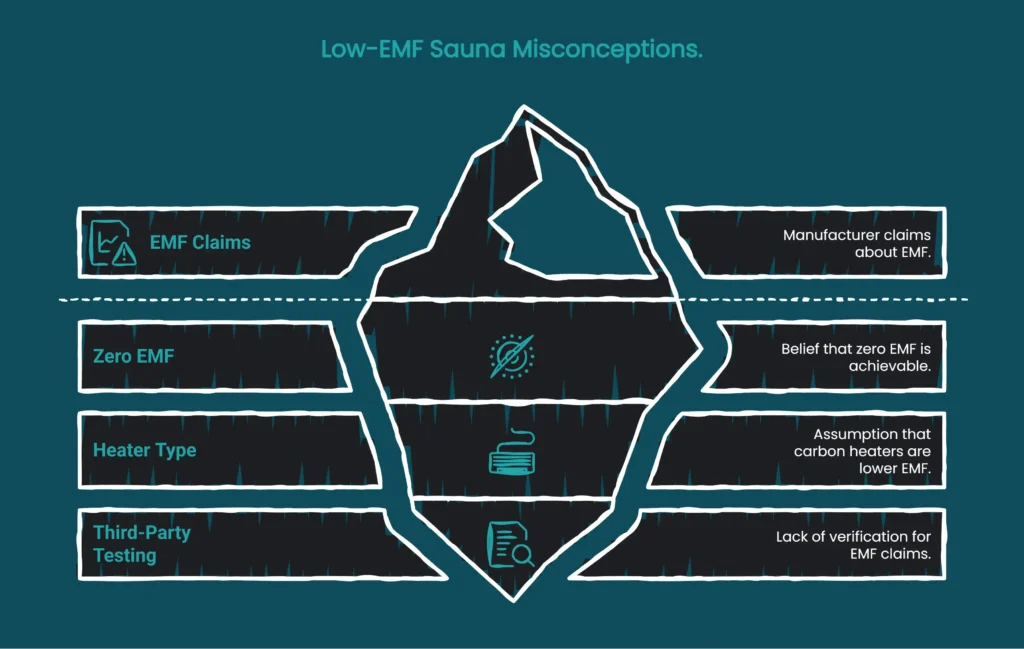
Common Misconceptions About Low-EMF Saunas
Myth: “Zero EMF is possible”
All electrical devices generate some electromagnetic fields. The goal is minimization to levels that don’t interfere with photobiomodulation, not complete elimination. Even the best-engineered saunas will show some EMF readings; the question is whether those levels are low enough to maintain a clean therapeutic environment.
Myth: “Carbon heaters are always lower EMF than ceramic”
Both heater types can be engineered to ultra-low EMF levels. Engineering, shielding, and wiring design determine EMF output more than heater material. A poorly designed carbon heater can have higher EMF than a well-engineered ceramic heater, and vice versa.
Myth: “Manufacturer EMF claims are reliable”
Without third-party testing, EMF claims cannot be verified. Measurement conditions (distance from heater, cabin position, operating state) dramatically affect readings. A manufacturer measuring from the center of a large cabin will get different results than measurements taken directly against heating panels.
Answering Your Key Questions
Navigating the world of infrared saunas can bring up many questions. Here are clear, science-based answers to some of the most common ones.
Is a low-EMF sauna worth it?
Yes, if your goal is genuine therapeutic benefit. If you are investing in an infrared sauna for its documented ability to support cellular health, reduce inflammation, and enhance recovery, then ensuring a low-EMF environment is important. It’s a key factor in receiving the full value of the infrared light therapy you are paying for.
Is a full spectrum sauna better than low EMF?
This question presents a false choice. “Full spectrum” and “low EMF” refer to two different, and equally important, aspects of a sauna. Full spectrum refers to the type of light emitted—a combination of near infrared (NIR), mid infrared (MIR), and far infrared (FIR) wavelengths, each with unique health benefits. Low EMF refers to the quality and cleanliness of the therapeutic environment. The ideal choice is not one or the other; it’s a full spectrum infrared sauna that is also engineered to be ultra-low in both EMF and EF.
Are infrared saunas safe for pregnancy?
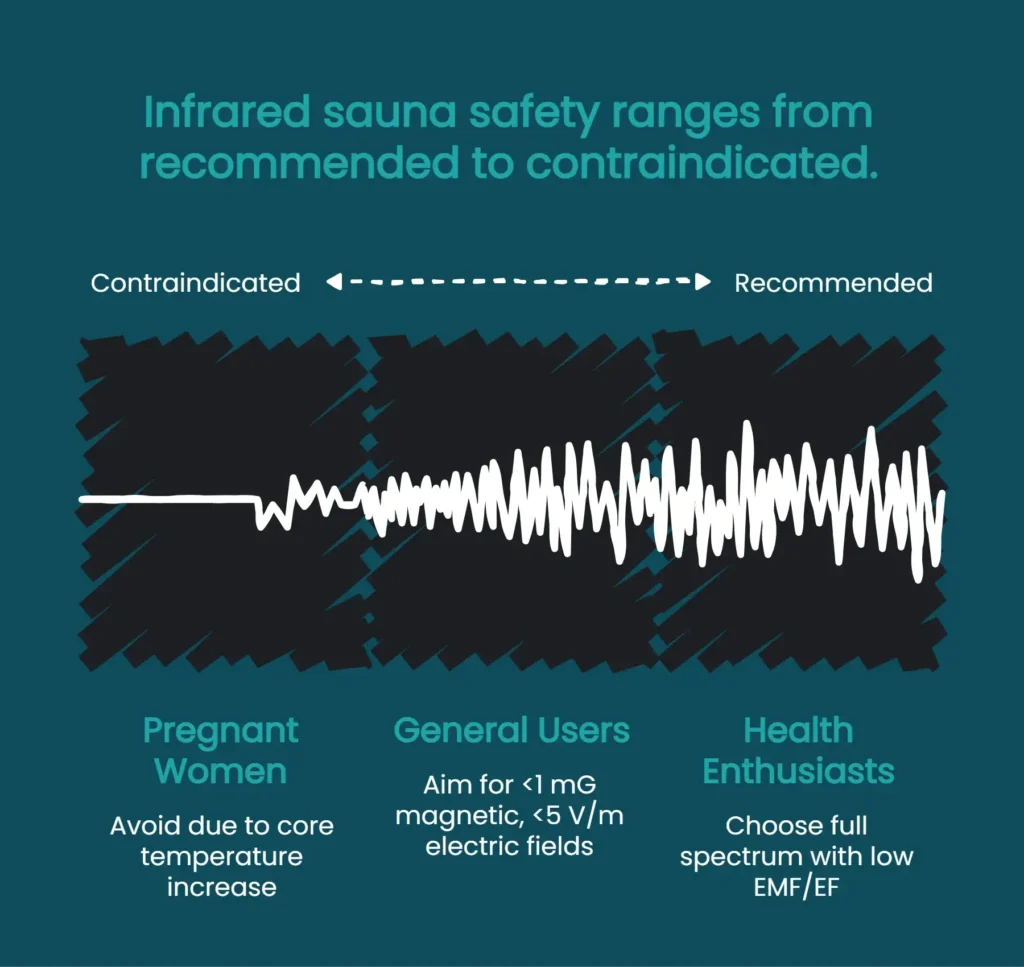
This is a critical safety question. The general medical advice is to avoid any activity that significantly raises the core body temperature during pregnancy, including use of saunas, steam rooms, and hot tubs. Therefore, infrared saunas are not recommended for pregnant women. Always consult with your physician or obstetrician before beginning any new wellness practice during pregnancy.
What EMF levels are considered safe for daily sauna use?
While no official regulatory standard exists for sauna EMF exposure, building biology guidelines recommend sustained levels below 1 mG for magnetic fields and under 5 V/m for electric fields in therapeutic environments. These recommendations are based on minimizing potential biological interference, not established safety thresholds. Individual sensitivity to EMF varies, so some users may prefer even lower levels.
How can I verify a sauna’s actual EMF levels?
Purchase a trifield meter (measures both magnetic and electric fields) and test at multiple cabin positions: center, against heating panels, floor level, and bench height. Reputable manufacturers provide third-party test reports showing measurements at various positions. Compare actual measurements to manufacturer claims, and test while the sauna is operating at full temperature, not just when cold.
Making the Right Choice for Your Needs
The “best” sauna is the one that aligns with your specific health goals and priorities. Instead of a one-size-fits-all recommendation, here is tailored advice for three different types of users.
For the Biohacker
You are data-driven and focused on optimizing cellular performance. For you, anything that could interfere with a desired biological mechanism is a problem. You should prioritize saunas that offer verifiable, third-party test results showing near-zero EMF and EF readings throughout the entire cabin. Scrutinize the heater technology to ensure it delivers the precise wavelengths—particularly Near Infrared—known to stimulate mitochondrial health and ATP production. For you, a low-EMF environment isn’t a feature; it’s a prerequisite for a clean, measurable biological input.
For the Chronic Illness Patient
You are seeking tangible relief from symptoms like chronic pain, inflammation, or fatigue. Your primary goal is maximum therapeutic efficacy to help reduce your body’s allostatic load. A low-EMF and low-EF environment is absolutely critical. You cannot afford to add any unnecessary electronic stress to a system that is already overburdened. Look for sauna brands that are trusted and used in a clinic or by holistic health practitioners, as they have already been vetted for both safety and effectiveness in a therapeutic context.
For the Wellness-Savvy Consumer
You are educated about health and have heard that “low EMF” is important, but you want to understand the real reason why. Your takeaway should be this: low EMF is a key factor that supports the sauna’s full potential. It elevates the experience from a simple sweat session to a sophisticated form of light therapy. By choosing a verifiably low-EMF and low-EF sauna, you are helping ensure your investment delivers the deep cellular benefits—from improved circulation and recovery support to stress reduction—that you expect from a premium wellness tool.
Understanding the science behind infrared saunas helps inform confident decisions about therapeutic heat exposure. The goal is creating an environment that supports effective infrared light delivery. For detailed EMF testing methodologies, independent verification resources, and photobiomodulation research, visit Sauna Health Nut.
Medical Disclaimer: This article provides educational information about infrared sauna safety and is not intended as medical advice. The content should not be used to diagnose, treat, cure, or prevent any medical condition. Individual responses to heat therapy vary based on health status, medications, and underlying conditions. Always consult with a qualified healthcare provider before beginning infrared sauna use, especially if you have cardiovascular disease, are pregnant, take prescription medications, or have any chronic health conditions. The information presented here is for educational purposes only and does not replace professional medical guidance.