
How an infrared sauna helps back pain by targeting the source, not just the symptoms

An infrared sauna helps alleviate back pain by using radiant heat to penetrate deep into muscle and soft tissue. This deep heat promotes significant vasodilation (widening of blood vessels), which increases circulation, delivers more oxygen to injured areas, and helps clear inflammatory byproducts, addressing the physiological roots of pain rather than just providing temporary surface-level warmth.
Beyond a Simple Hot Box: The Science of Infrared Heat for Back Pain
When you’re dealing with a sore, aching back, the instinct to seek out heat is primal. A warm bath or a heating pad can provide immediate, comforting relief. However, this comfort is often fleeting because it primarily warms the surface of the skin. An infrared sauna operates on a fundamentally different principle, one that shifts its function from a temporary comfort measure to a profound therapeutic tool. The key lies in the way it delivers heat to your body.
The Science of Deep Penetration: How Infrared Waves Work Differently
A traditional dry sauna or steam room works by convection and conduction—it heats the air around you, which in turn heats your body from the outside in. This process is effective for inducing a sweat and relaxing, but its ability to impact deep muscle tissue is limited. An infrared sauna, by contrast, uses radiant heat. It emits wavelengths of light (primarily in the far-infrared spectrum) that are absorbed directly by your body, warming your core temperature and tissues without needing to dramatically heat the air.
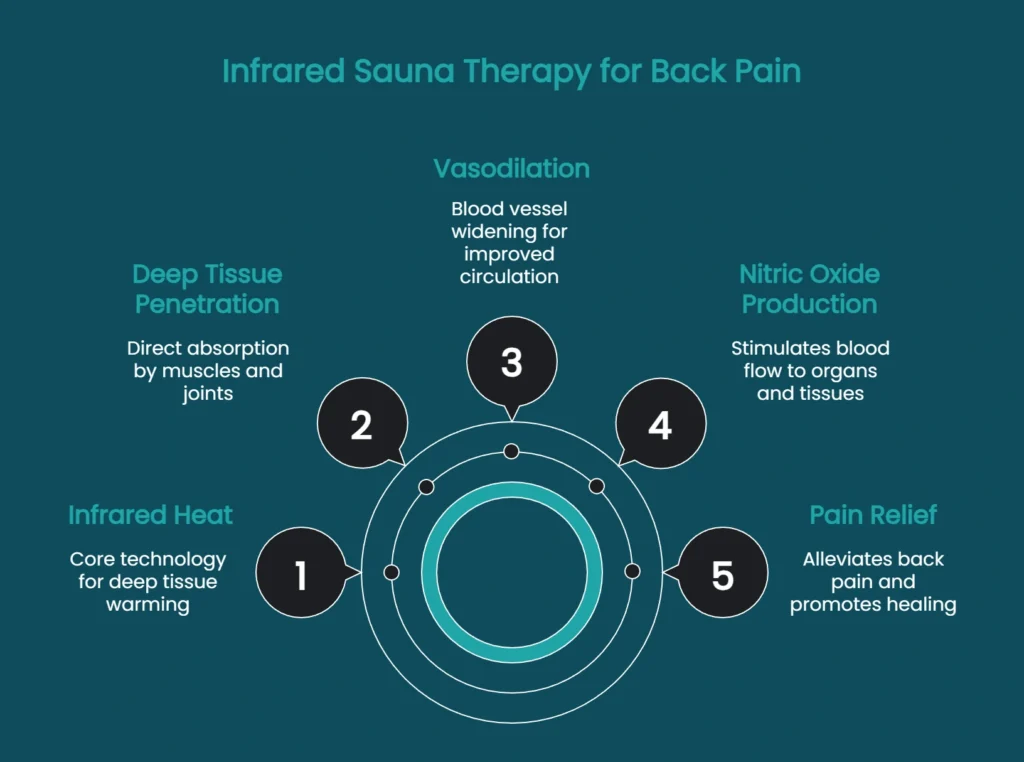
This direct absorption is the critical difference. While a traditional dry sauna might operate at a stifling 180°F (82°C), an infrared sauna achieves more significant physiological effects at a more comfortable 120-150°F (49-65°C). The infrared energy can penetrate up to 1.5 inches into soft tissue, reaching muscles, joints, and ligaments in a way ambient heat simply cannot. This deep-tissue warming triggers a powerful cascade of events, beginning with vasodilation. Your blood vessels widen to improve blood flow and manage the increase in temperature. This response is more than just a feeling of warmth; it’s a systemic change. In fact, research shows that Far Infrared (FIR) saunas stimulate the body to produce nitric oxide, which causes a greater perfusion of blood to the organs and tissues according to the National University of Natural Medicine.
This increased circulation is the primary mechanism behind infrared sauna benefits for spine health and relieving low back pain, as it kickstarts the body’s natural healing processes at the source of the discomfort.
Breaking the Vicious Cycle of Pain and Inflammation
Chronic back pain is often locked in a self-perpetuating cycle: an injury or strain leads to inflammation, which causes pain. This pain leads to muscle guarding and stiffness, which can restrict blood flow, leading to more inflammation and more pain. Breaking this cycle is essential for any form of lasting relief. This is where the enhanced circulation from an infrared sauna session becomes a clinically relevant mechanism for infrared sauna inflammation reduction.
How Enhanced Circulation Accelerates Healing
When tissue is injured, your body’s inflammatory response is a necessary part of healing. However, when this response becomes chronic, it’s a source of persistent pain. The inflammatory process involves a buildup of metabolic waste products, like lactic acid and cytokines. The improved circulation from sauna therapy acts like a biological transport system. Oxygen-rich blood surges into the affected area, providing the necessary building blocks for tissue repair. Simultaneously, this enhanced flow efficiently carries away the inflammatory byproducts that are sending pain signals to your brain. Researchers have proposed that sauna use may confer health benefits by reducing oxidative stress and inflammation and improving blood vessel function as noted by experts at SIU School of Medicine. This mechanism is particularly effective for conditions like sciatica or a pinched nerve, where reducing inflammation around the nerve root can provide significant relief.
Furthermore, this process helps reduce muscle tension. For individuals with stress-related back tension, the combination of gentle heat and the release of endorphins can help relax tight muscles in the upper back and neck, alleviating pain that originates from daily stress and poor posture.
From Passive Treatment to Active Recovery: Integrating Sauna Use into Your Routine
One of the most powerful aspects of infrared sauna therapy is its role as a complementary tool that enhances other recovery and wellness efforts. Instead of viewing it as a standalone treatment, think of it as a catalyst that makes your other efforts more effective. This is especially true for athletes and those in physical therapy.
Enhancing Flexibility and Preparing for Movement
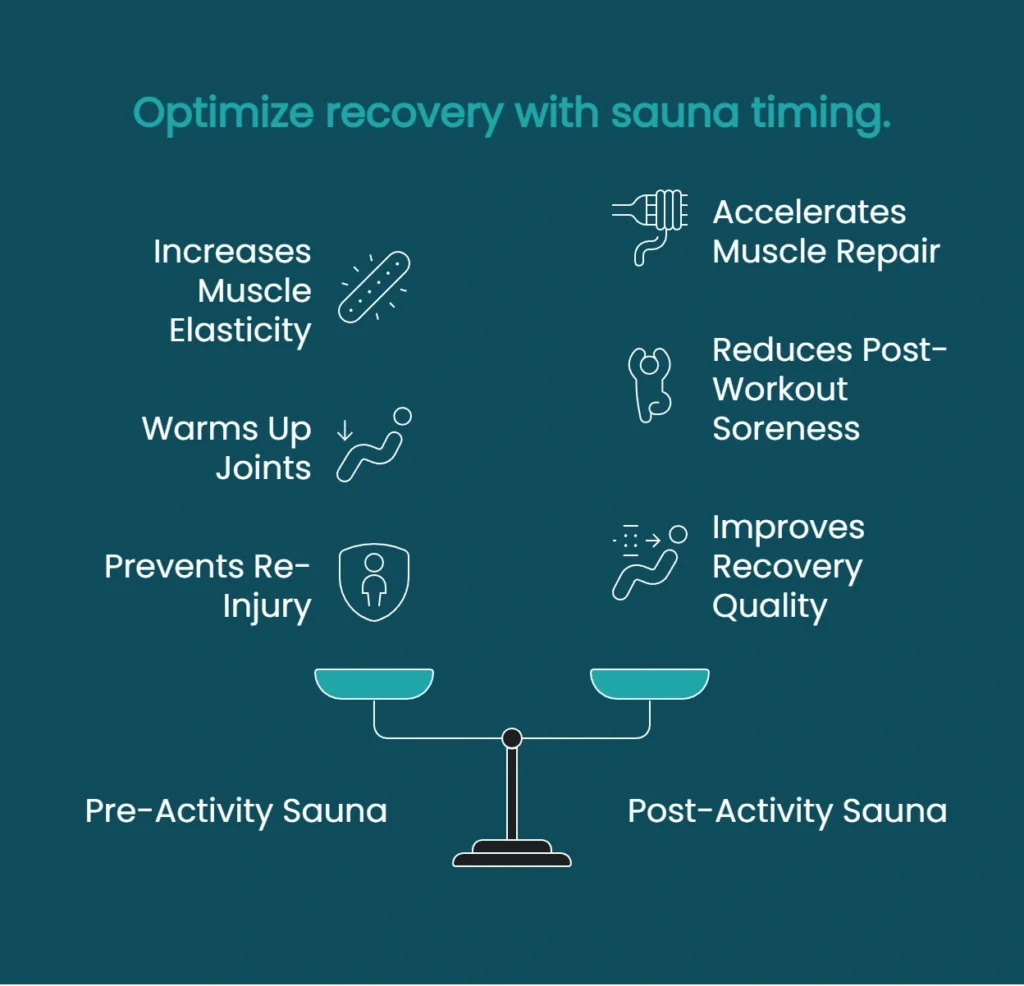
Using an infrared sauna for 15-20 minutes before stretching or a light workout can be incredibly beneficial. The deep heat increases muscle elasticity and warms up the joints, making them more pliable. This pre-workout sauna for back injury prevention can help you achieve a deeper, safer stretch, improving flexibility with sauna use and reducing the risk of re-injury. For those with chronic back stiffness, this can be the difference between a painful, limited range of motion and a productive, therapeutic movement session.
Speeding Up Post-Activity Repair
After a workout or physical therapy session, your muscles are in a state of repair. An infrared sauna session can dramatically accelerate this process. The increased circulation continues to clear out metabolic waste generated during exercise, reducing post-workout soreness. The heat also stimulates the production of heat shock proteins, which are critical for cellular repair and building muscle resilience. This is why sauna therapy has been shown to improve muscle recovery by activating the body’s natural stress responses as detailed by the Andrew Weil Center for Integrative Medicine. For anyone from an athlete managing back strain to a person recovering from a back injury, this can shorten downtime and improve the quality of recovery.
A Comparative Look: Sauna Use vs. Other Wellness Strategies
To understand the unique role of an infrared sauna, it’s helpful to compare it to other common approaches for managing back pain and promoting wellness. Each has its place, but they target different physiological systems.
Sauna Use (Infrared)
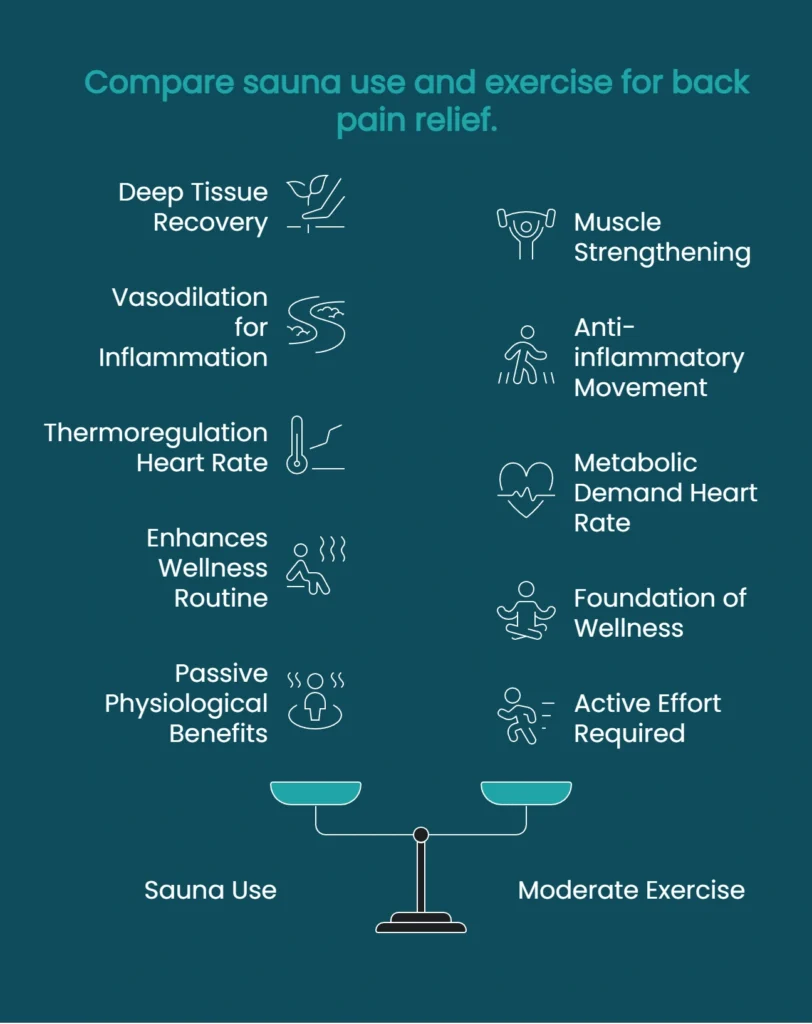
- Effectiveness for deep tissue recovery vs. temporary relief: High. Infrared heat penetrates deep into muscle and soft tissue, promoting cellular-level repair rather than just masking pain with surface heat.
- Ability to reduce inflammation for chronic pain management: High. Promotes significant vasodilation, which is key for clearing inflammatory byproducts and delivering oxygen-rich blood to damaged tissues.
- Cardiovascular response: Elevates heart rate through thermoregulation, providing a non-mechanical cardiovascular stimulus without joint stress.
- Role as a complementary tool in a comprehensive wellness routine: Excellent. Enhances the benefits of stretching, exercise, and physical therapy by warming muscles beforehand and accelerating recovery afterward.
- Efficiency of achieving physiological benefits passively: Very High. It induces a deep sweat, increases heart rate, and boosts circulation while the user is sitting still, making it ideal for those with mobility limitations.
Moderate Exercise (e.g., Walking, Yoga)
- Effectiveness for deep tissue recovery vs. temporary relief: High. Active movement strengthens supporting muscles (core, glutes), which is fundamental for long-term back health and addressing root causes.
- Ability to reduce inflammation for chronic pain management: High. Regular, gentle movement is one of the most effective anti-inflammatory practices, though it can be painful to initiate during a flare-up.
- Cardiovascular response: High. Directly conditions the heart and lungs through metabolic demand, improving overall systemic health.
- Role as a complementary tool in a comprehensive wellness routine: Essential. Forms the foundation of any sustainable back pain management plan.
- Efficiency of achieving physiological benefits passively: Low. Requires active effort and engagement, which can be a barrier for individuals in severe pain or with significant mobility issues.
Passive Relaxation (e.g., Meditation, Lying Down)
- Effectiveness for deep tissue recovery vs. temporary relief: Low. Primarily addresses the mental and nervous system components of pain. It can reduce muscle tension from stress but does not directly stimulate tissue repair.
- Ability to reduce inflammation for chronic pain management: Low to Moderate. Can lower systemic inflammation by reducing cortisol (the stress hormone), but does not actively increase circulation to specific injured areas.
- Cardiovascular response: None. This is a restorative practice designed to lower heart rate and metabolic activity.
- Role as a complementary tool in a comprehensive wellness routine: High. Crucial for managing the stress and mental fatigue that often accompany chronic pain, which is an important part of a holistic treatment plan.
- Efficiency of achieving physiological benefits passively: High. It requires minimal physical effort.
Practical Guidance and Managing Expectations for Long-Term Success
Integrating an infrared sauna into your life requires a thoughtful approach. It is a powerful adjunctive therapy for pain management, not a magic cure. Understanding how to use it correctly and what to expect is key to achieving the best results.
How to Use an Infrared Sauna Correctly for Pain Relief
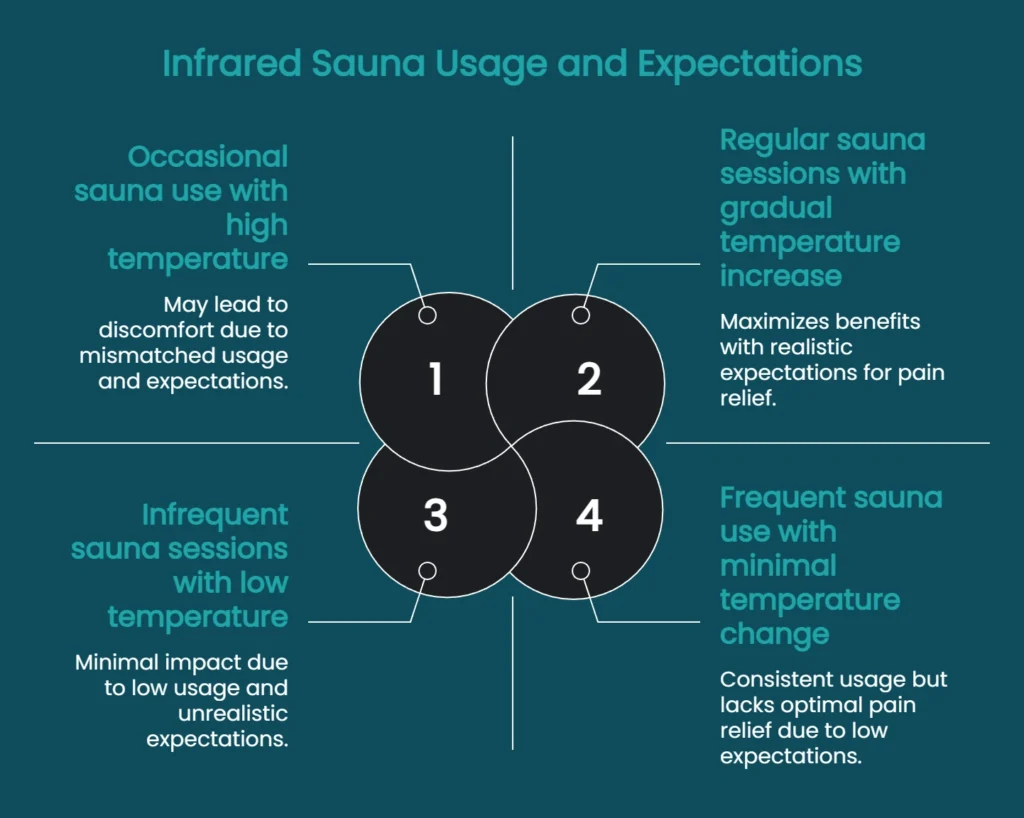
For those new to sauna therapy, start low and go slow. Begin with a lower temperature, around 120°F (49°C), for a session duration of 15-20 minutes. As your body adapts, you can gradually increase the temperature and duration, but most people find the sweet spot for pain relief to be between 25-40 minutes. Listen to your body. If you feel lightheaded or unwell, end the session.
Hydration is non-negotiable. Drink plenty of water before, during, and after your session. After you’re done, take a few minutes to cool down naturally before taking a warm shower. This is also an excellent time for some gentle stretching, as your muscles will be in a prime state of relaxation and pliability.
A Powerful Tool, Not a Panacea
While an infrared sauna can provide profound relief for many types of back pain, it’s critical to know when to seek professional medical advice. If you have experienced a sudden, acute injury, have numbness or tingling in your limbs, or your pain is severe and unexplained, consult a doctor or physical therapist. Conditions like a significantly herniated disc may require specific medical treatment. The sauna is a tool to manage symptoms and accelerate recovery within a professionally guided plan.
Regarding safety, the primary downsides of infrared saunas are the risks of dehydration and overheating. Individuals with certain conditions, like cardiovascular disease or low blood pressure, should consult their doctor before beginning sauna therapy. However, for most healthy individuals, they are considered very safe when used responsibly.
Answering Common Questions About Sauna Therapy
Are saunas good for menopause? Yes, they can be. The benefits of sauna for sore back muscles and joint pain are very relevant during menopause. Additionally, by helping to regulate the nervous system and reduce cortisol, sauna use can potentially help with mood swings and sleep disturbances associated with this life stage.
How long does it take for red light therapy to work for back pain? This question often gets confused with infrared saunas. Red light therapy uses specific, targeted wavelengths of near-infrared light for cellular regeneration. A full-spectrum sauna may include near-infrared emitters for this purpose. Consistent use is key. While some feel relief after a single session, cumulative benefits for chronic issues often become noticeable after several weeks of regular use (3-4 times per week).
What about conditions like arthritis and fibromyalgia? An infrared sauna can be highly beneficial. The deep, penetrating heat is excellent for soothing the joint pain and stiffness common in arthritis. Moreover, studies show that sauna use may improve pain for people with conditions like osteoarthritis, rheumatoid arthritis and fibromyalgia according to medical researchers, making it a valuable non-pharmaceutical tool for managing these chronic conditions.
How IR Sauna Fits Into a Back Pain Management Plan
The best approach to wellness is never one-size-fits-all. Integrating an infrared sauna, moderate exercise, or dedicated relaxation depends entirely on your personal health goals, physical condition, and lifestyle.
For The Chronic Pain Sufferer: If you’re managing long-term conditions like fibromyalgia, spinal stenosis, or arthritis back pain, an infrared sauna is an exceptional choice. Your primary goal is to manage systemic inflammation and improve circulation to stiff, painful joints without causing a flare-up. The sauna’s ability to achieve this without mechanical stress makes it a reliable tool for daily pain and stiffness management, allowing you to engage more comfortably in gentle exercises like walking or tai chi.
For The Active Recovery Seeker: As an athlete or fitness enthusiast, your focus is on accelerating muscle repair and improving tissue resilience. For you, the infrared sauna is not a replacement for active recovery but a powerful amplifier. Use it before stretching to increase flexibility and after intense workouts to reduce soreness and speed up the repair process. It complements your active lifestyle perfectly, helping you train harder and recover faster.
For The Wellness Optimizer with Limitations: If you have joint pain or mobility issues that make traditional exercise difficult, an infrared sauna offers a unique advantage. It provides a non-mechanical cardiovascular stimulus by raising your heart rate and improving circulation without any mechanical stress on your body. It allows you to experience some of the circulatory benefits through heat exposure, making it a cornerstone of a wellness routine that respects your physical limitations.
Ultimately, understanding how an infrared sauna works at a physiological level allows you to move beyond seeing it as a luxury and recognize it as a strategic tool for health and recovery. For more evidence-based guidance on infrared sauna protocols and pain management strategies, visit Sauna Health Nut for comprehensive resources.
Medical Disclaimer: This article provides educational information about infrared sauna safety and is not intended as medical advice. The content should not be used to diagnose, treat, cure, or prevent any medical condition. Individual responses to heat therapy vary based on health status, medications, and underlying conditions. Always consult with a qualified healthcare provider before beginning infrared sauna use, especially if you have cardiovascular disease, are pregnant, take prescription medications, or have any chronic health conditions. The information presented here is for educational purposes only and does not replace professional medical guidance.