
Do sauna suits work? The science behind sweat, performance, and what you really lose

Sauna suits can work, but not for the reason most people buy them. While they are ineffective for sustainable fat loss, their true, science-backed purpose is to serve as a specialized training tool for athletes to accelerate heat acclimation, which significantly boosts endurance and overall performance.
A Common Misconception: Why Sauna Suits Don’t Burn Fat
The most persistent myth surrounding the sauna suit is its role as a miracle fat-loss device. You’ve seen the marketing and the dramatic “sauna suit results before and after” photos online. An individual puts on the suit, does a workout, and steps on the scale to see they’ve dropped several pounds. It feels like a victory, but it’s a physiological illusion. The critical question isn’t just “are sauna suits effective for fat loss?” but rather, what kind of weight is actually being lost?
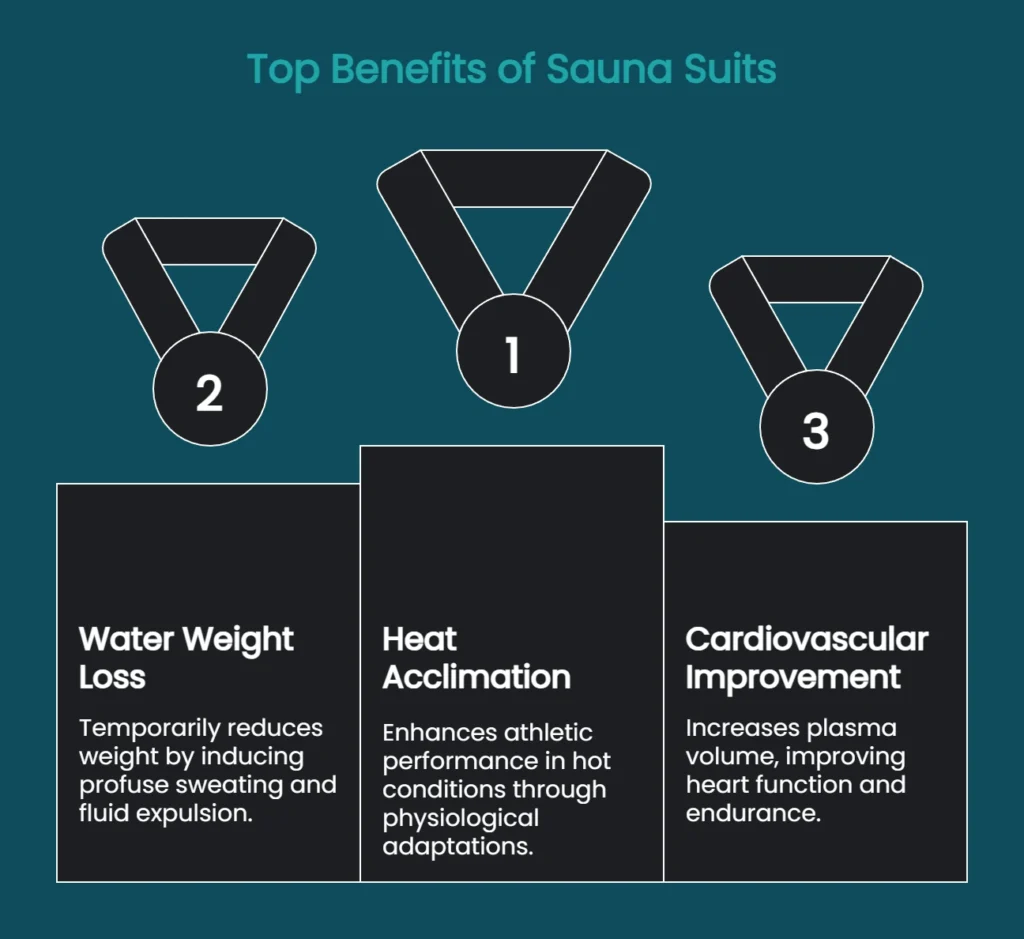
The answer is simple: water. A sauna suit is typically made of a non-breathable material like PVC, vinyl, or neoprene. This design traps your body heat, causing your core body temperature to rise faster than it normally would during exercise. Your body’s primary cooling mechanism is to sweat. By preventing this sweat from evaporating, the suit creates a personal sauna-like environment, leading to profuse sweating. This rapid fluid expulsion is what accounts for the immediate drop on the scale. The weight loss experienced is primarily due to this fluid loss, which should be replenished to avoid dehydration.
This is the fundamental difference between real fat loss vs water weight. Fat loss is a metabolic process where the body breaks down adipose tissue for energy, a process that takes time, consistent effort, and a caloric deficit. Dropping a few pounds in a sauna suit workout and then drinking a bottle of water will bring your weight right back to where it started. So, does a sauna suit help with belly fat or any other fat deposit? No. It can’t target specific areas or magically melt away fat cells. This is why sauna suit for weight loss reviews are often misleading; they conflate temporary water loss with permanent fat loss.
The Primary Advantage: Biohacking Athletic Performance with Heat Acclimation
While the fat loss claims are a gimmick, the true benefits of a sauna suit for athletes are profound. The real value lies in its ability to act as a tool for heat acclimation (HA). Heat acclimation is a series of physiological adaptations your body makes in response to repeated exposure to heat stress, making it more efficient at exercising in hot conditions.
When you use a sauna suit for running or other cardio workouts, you are intentionally inducing heat stress. Your body, in its remarkable ability to adapt, responds by making several key changes:
- Increased Plasma Volume: Your body produces more blood plasma, which improves cardiovascular stability and allows your heart to pump more blood with each beat. This means your heart doesn’t have to work as hard to supply your muscles with oxygen, even in the heat.
- More Efficient Sweating: You start sweating sooner and sweat more profusely. More importantly, your sweat becomes less salty, meaning your body gets better at conserving precious electrolytes.
- Improved Temperature Regulation: Your body becomes better at managing its core temperature, reducing the overall strain of exercising in a hot environment.
These adaptations don’t just help you perform better in the heat. The cardiovascular improvements, like increased plasma volume, can enhance your endurance and performance even in temperate weather. Using a sauna suit for cardio can be a powerful stimulus for these changes.
Your Portable Heat Chamber: The Science of How It Works
Think of the suit as a portable, low-cost heat chamber. For years, elite athletes have used expensive environmental chambers to simulate training in hot and humid conditions to trigger these adaptations. Research now confirms that exercising in insulative clothing is a practical tool and an alternative heat acclimation strategy for athletes. By trapping a thin layer of air and moisture, the suit significantly reduces the body’s ability to cool itself, forcing it to adapt.
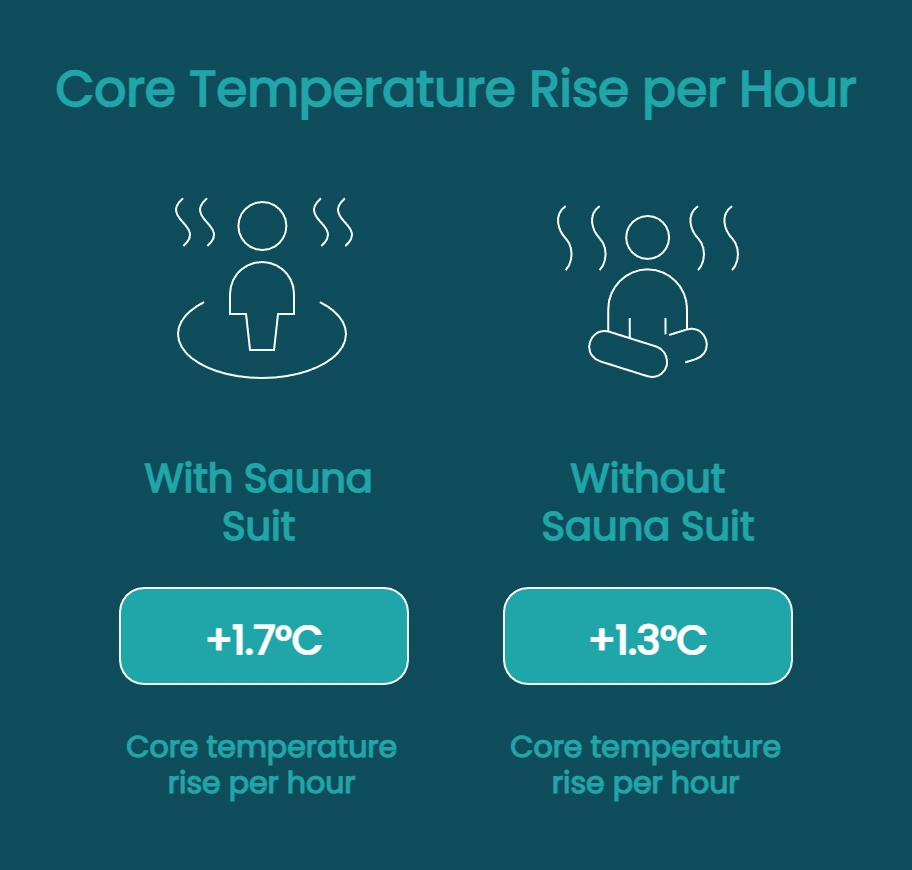
The effect on core body temperature is well-documented. One study found that exercising for 30 minutes in a temperate environment while wearing an upper-body sauna suit increased core temperature rise to +1.7°C per hour, compared to just +1.3°C per hour without the suit. This accelerated increase in heat stress is the trigger for the beneficial adaptations we discussed. The feeling of an enhanced workout intensity is real; your body is working harder to cool itself down.
But can wearing a sauna suit burn more calories? The answer is yes, but only marginally and not to a degree that meaningfully affects fat loss. A study on high-intensity interval exercise showed that energy expenditure was modestly but significantly higher with a sauna suit (285 kcal) compared to without (271 kcal). While there is a minor thermogenic effect of sauna suits, this small increase is not significant enough to be a primary driver of fat loss. The real benefit remains the physiological adaptation, not calorie burning.
The Athlete’s Guide: Practical Application and Non-Negotiable Safety
Using a sauna suit is an advanced training technique and must be approached with caution and respect for the physiological stress it creates. It is not for beginners or casual gym-goers.
Who Can Benefit?
The primary users who see real results are performance-focused athletes. This includes:
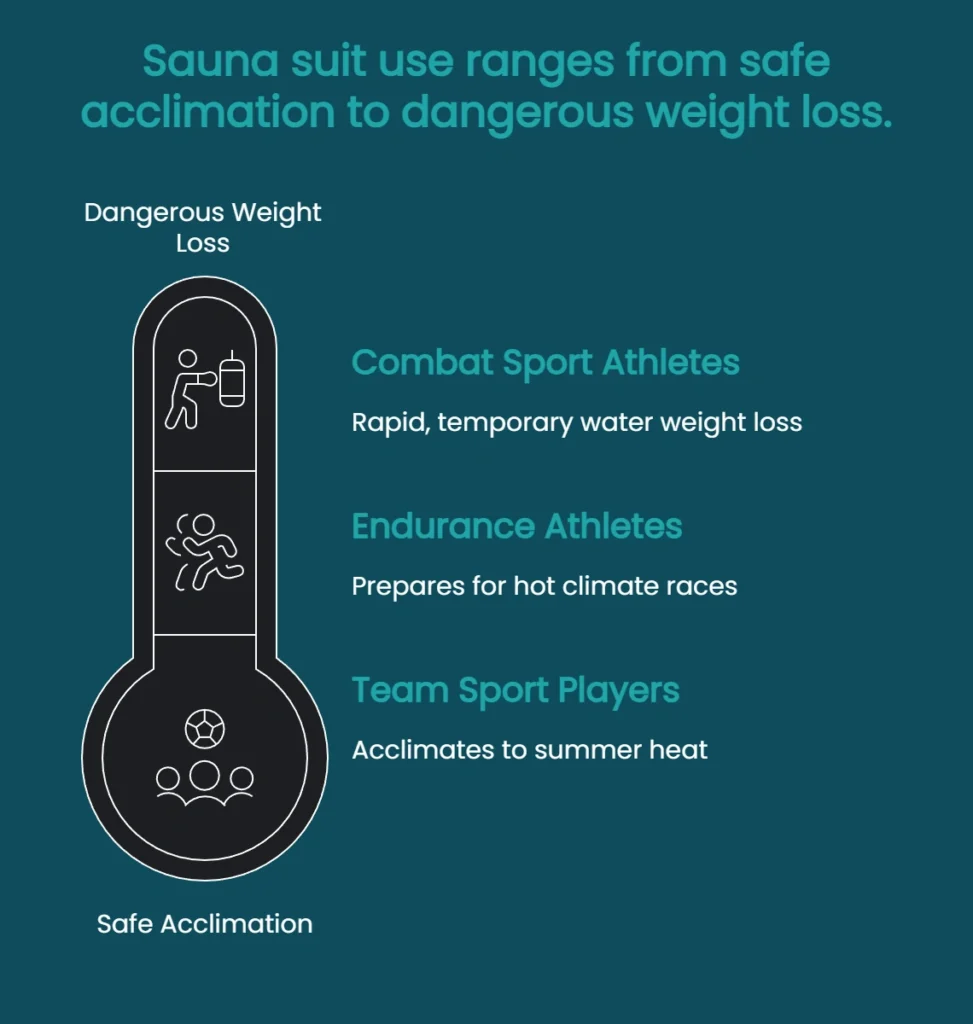
- Endurance Athletes: Runners, cyclists, or triathletes preparing for a race in a hot climate can use a suit during training in cooler weather to pre-acclimate their bodies.
- Combat Sport Athletes: The sauna suit has a long history in sports like boxing and MMA for weight cutting. This is where the term “is a sauna suit good for cutting weight” comes from. It’s used in the final days before a weigh-in for rapid, temporary water weight loss to make a specific weight class. This is an extreme and risky practice that should only be done under expert supervision.
- Team Sport Players: Athletes in sports like soccer or football who will play in hot summer conditions can incorporate the suit into their pre-season training regimen.
Critical Safety Protocols
The dangers of wearing a sauna suit too long or improperly cannot be overstated. The same mechanism that makes it effective—trapping heat—is what makes it dangerous. The most significant risks are dehydration, electrolyte imbalance, heat exhaustion, and in extreme cases, hyperthermia (a dangerously high body temperature) and heatstroke.
The history of these suits is marked by tragedy. In 1997, three collegiate wrestlers died from hyperthermia and dehydration-related causes while using vapor-impermeable suits for rapid weight loss, a stark reminder of the hyperthermia risk sauna suits pose. To use a suit safely, you must follow these rules without exception:
- Hydrate Aggressively: You must start your workout fully hydrated. Drink water consistently throughout the day leading up to your session. During and after the workout, you must replenish not just the water but also the electrolytes lost through sweat. An electrolyte replacement drink is not optional; it’s essential.
- Start Slow and Short: When asking “how long should you wear a sauna suit,” the answer for a beginner is no more than 15-20 minutes. Your initial sessions should be short and low-intensity to allow your body to adapt. Gradually increase duration and intensity over several weeks. Never jump into a one-hour, high-intensity workout.
- Listen to Your Body: Pay close attention to sauna suit and heat exhaustion symptoms. If you feel dizzy, nauseous, lightheaded, or develop a headache, stop immediately. Take the suit off, get to a cool place, and rehydrate.
- Do Not Use It Every Day: Can you wear a sauna suit every day? You shouldn’t. Your body needs time to recover from the heat stress. Using it 2-3 times per week during a specific training block is more than sufficient for heat acclimation purposes.
A Deep Dive into Sauna Suit Use: Factors to Consider
Understanding the pros and cons is key to making an informed decision. Let’s break down the primary considerations.
Primary Goal: Fat Loss vs. Performance
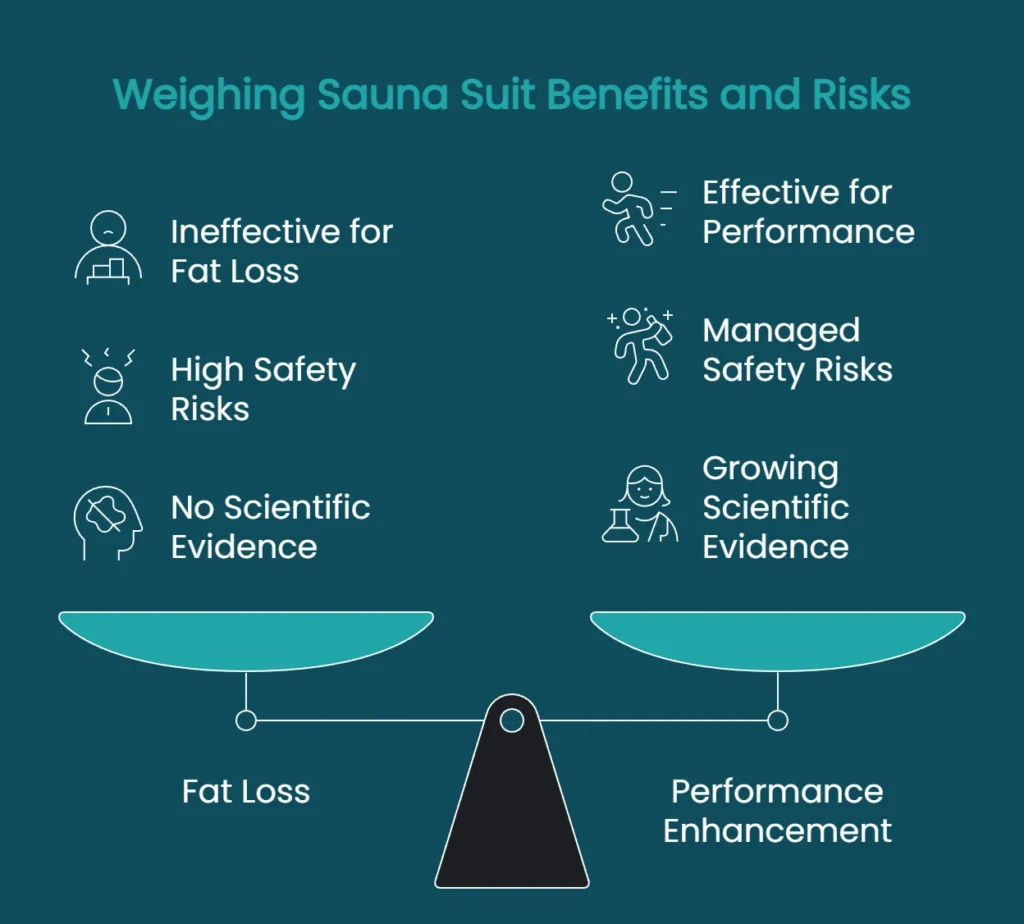
For Fat Loss: Highly ineffective. The weight loss is almost entirely water, which is quickly regained upon rehydration. It does not burn fat and can create a false sense of accomplishment, derailing real, sustainable fat loss efforts that rely on nutrition and consistent exercise.
For Performance Enhancement: Highly effective when used correctly. It’s a proven method for inducing heat acclimation, leading to measurable improvements in thermoregulation, cardiovascular efficiency, and endurance for athletes training for competition in the heat.
Safety and Health Risks
Key Risks: The main sauna suit dangers and side effects are directly related to overheating and fluid loss. This includes dehydration, electrolyte imbalance, heat exhaustion, heatstroke, and increased cardiovascular strain. The risks are significantly higher during intense or prolonged exercise and for individuals with pre-existing health conditions, especially those related to blood pressure or heart health.
Mitigation: Risks can be managed through strict adherence to safety protocols: aggressive hydration and electrolyte replacement, starting with short durations, listening to your body’s warning signs, and avoiding use if you have underlying health concerns. Consulting a doctor before use is recommended.
Scientific Evidence
For Fat Loss: There is no scientific evidence that sauna suits cause meaningful, long-term fat loss. Studies show a negligible increase in calorie burn that is insufficient for significant weight management.
For Performance Enhancement: There is a growing body of scientific evidence supporting the use of insulative suits as a practical and effective tool for heat acclimation, leading to positive physiological adaptations that enhance athletic performance.
Who Sauna Suits Actually Make Sense For
So, are sauna suits a gimmick? It entirely depends on your goal. To help you decide, let’s look at who should and should not use this tool.
For “The Weight-Loss Hopeful”
If your primary motivation is to lose fat, especially belly fat, the sauna suit is not the right tool for you. The immediate weight drop on the scale is misleading and can be psychologically discouraging when it returns. Your focus should be on sustainable methods like a balanced diet, regular strength training, and consistent cardiovascular exercise. A sauna suit is, at best, a distraction from these fundamentals.
For “The Competitive Athlete”
If you are a runner preparing for a summer marathon, a cyclist training for a race in a hot climate, or a combat athlete needing to acclimate for performance, the sauna suit can provide a meaningful performance advantage when used correctly. Used strategically and safely as part of a structured training program, it can provide a significant competitive edge by preparing your body for the stress of heat, improving your endurance and efficiency when it matters most.
For “The Biohacker / Skeptic”
If you are interested in evidence-based methods for optimizing performance, the sauna suit warrants consideration, but only for its proven application: heat acclimation. You should focus on the data showing its effect on core body temperature and cardiovascular adaptations. Ignore the fat-loss marketing entirely. For you, the suit is a piece of equipment used to apply a specific stressor (heat) to elicit a desired adaptation (improved thermoregulation and endurance), and it should be used with the precision and caution of any other biohacking tool.
Ultimately, the sauna suit is a specialized piece of equipment, not a general fitness accessory. When its purpose is misunderstood, it is ineffective and potentially dangerous. But when used by the right person for the right reason—as a catalyst for heat acclimation—it is a specialized tool backed by modern sports science. For more science-backed guidance on heat therapy, training strategies, and evidence-based wellness approaches, explore Sauna Health Nut.
Medical Disclaimer: This article provides educational information about infrared sauna safety and is not intended as medical advice. The content should not be used to diagnose, treat, cure, or prevent any medical condition. Individual responses to heat therapy vary based on health status, medications, and underlying conditions. Always consult with a qualified healthcare provider before beginning infrared sauna use, especially if you have cardiovascular disease, are pregnant, take prescription medications, or have any chronic health conditions. The information presented here is for educational purposes only and does not replace professional medical guidance.