
What are the benefits of infrared sauna lights

Infrared sauna lights offer benefits that go beyond simply heating the air. By using specific light wavelengths—near, mid, and far infrared—these systems interact with the body in different ways, targeting skin, muscles, circulation, and deeper tissues. Understanding how each wavelength works helps explain why infrared saunas can support recovery, relaxation, and overall wellness differently than traditional heat-based saunas.
Beyond a ‘Hot Box’: The Fundamental Difference in How Infrared Saunas Work
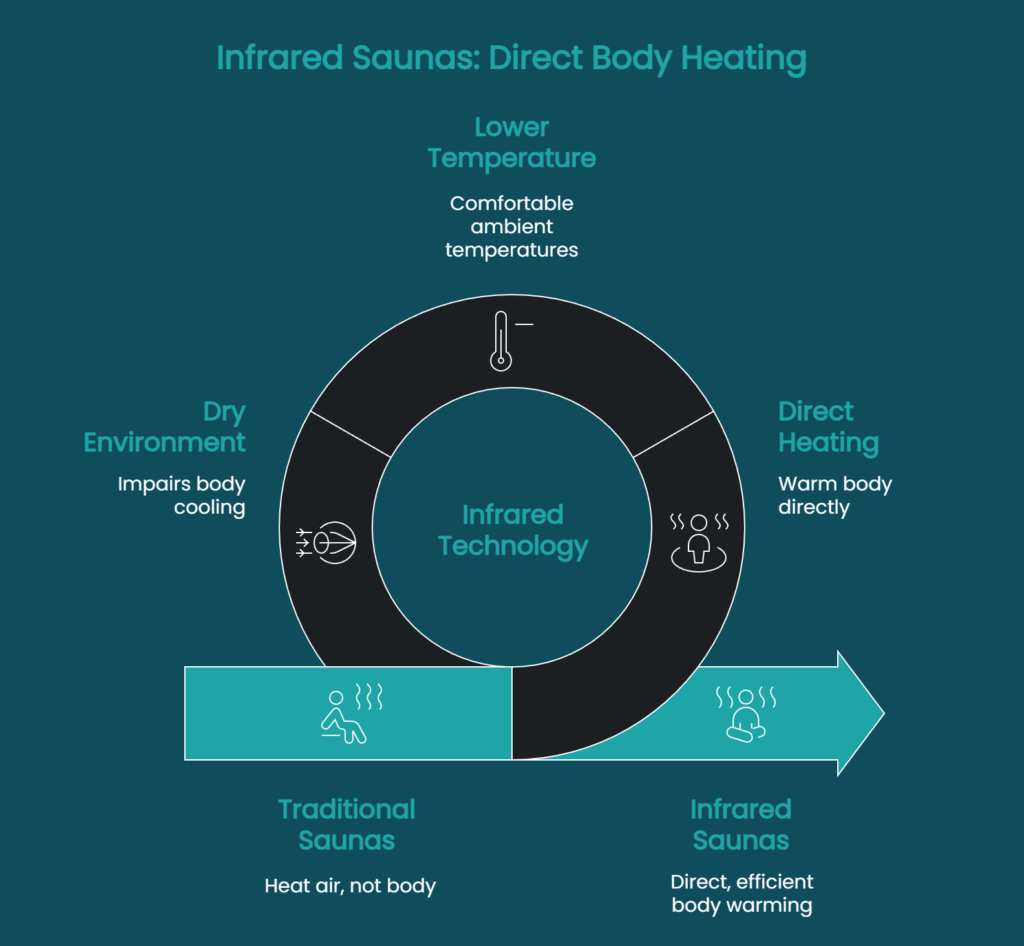
Many people group all saunas into one category: a heated space designed to make you sweat. While this is true for traditional Finnish saunas, which heat the air to temperatures often exceeding 180°F (82°C), infrared technology operates on a completely different principle. Understanding this is the first step to appreciating its unique therapeutic potential. A key difference from traditional saunas is that infrared saunas use special infrared light waves to heat a person’s body directly, rather than heating the entire room. This mechanism of action is far more efficient.
In fact, the infrared sauna effects on the body are remarkably direct. It is estimated that in an infrared sauna, approximately 80% of the heat directly warms the body, while only about 20% of the heat is directed at heating the air. This means you experience a deep, penetrating warmth at much lower, more comfortable ambient temperatures, typically between 120°F and 150°F (49°C to 65°C). This makes the therapy accessible to a wider range of people, including those with a lower tolerance for the intense heat of traditional saunas. This is a stark contrast to steam-based environments; research shows that a more humid or steam-based sauna environment creates a different physiological experience compared to a dry or infrared-style sauna, as high humidity can impair the body’s natural cooling process.
The Therapeutic Spectrum: Unpacking the Benefits of Each Infrared Wavelength
The term “infrared” isn’t a monolith. It refers to a segment of the light spectrum. The real magic happens when you analyze the infrared sauna spectrum and its specific wavelengths, measured in nanometers (nm). The process by which light energy creates a biological response is known as photobiomodulation. In a sauna, this is how different wavelengths trigger distinct health benefits. When considering what is the benefit of red light in an infrared sauna, or any infrared light, it’s crucial to look at the specific infrared light wavelength benefits.
Near-Infrared (NIR) Light: Cellular Rejuvenation and Skin Health
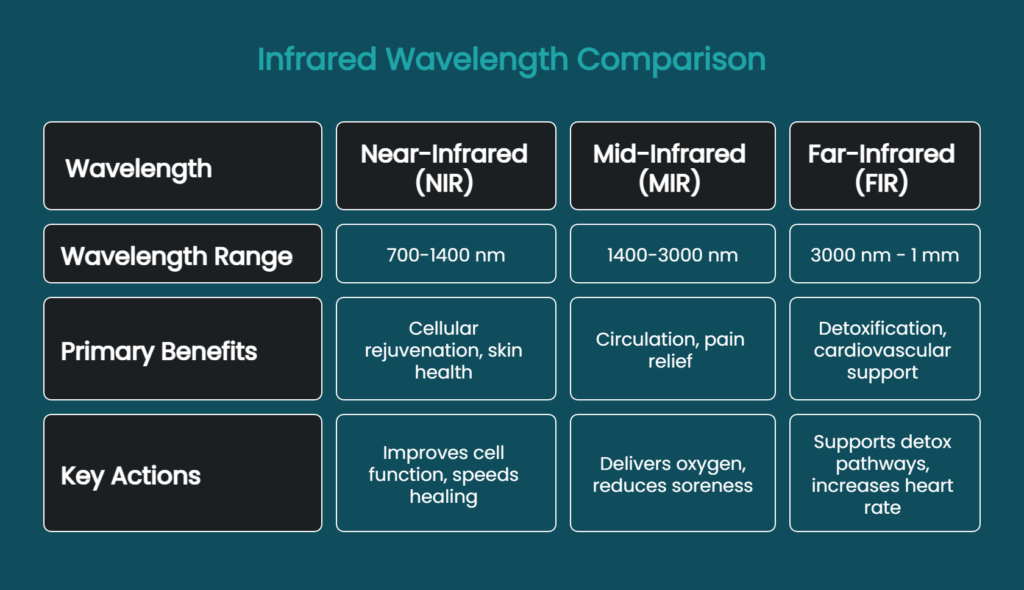
Near-infrared light (approx. 700-1400 nm) has the shortest wavelength, allowing it to penetrate the skin’s surface but not as deeply as other wavelengths. Its primary impact is at the cellular level. Many expert opinions on red light sauna therapy point to NIR’s profound effects on skin and cellular energy. The best infrared wavelength for skin is widely considered to be in the near-infrared and red light range. This is because it directly addresses infrared sauna benefits for skin rejuvenation.
A significant portion of the cellular benefits of infrared heat from this spectrum comes from its interaction with our cells’ powerhouses. Biophysicist Tiina Karu famously hypothesized that red light improves overall cell function by stimulating the mitochondria, which drive metabolism and energy production. This stimulation of infrared sauna and mitochondrial function can lead to increased collagen production, which is why red light therapy for collagen production is so popular for anti-aging. The health benefits of near infrared light also extend to healing. In fact, NASA-funded research showed that near-infrared light can speed the healing of wounds, making it a powerful tool for using infrared light for wound healing.
Mid-Infrared (MIR) Light: Circulation and Pain Relief
Mid-infrared light (approx. 1400-3000 nm) penetrates deeper into the body’s soft tissues. The primary benefits of mid-infrared light center on improving circulation and reducing inflammation. As MIR wavelengths gently heat the body, they cause blood vessels to expand, which enhances blood flow. This process is key for improving circulation with sauna light therapy.
This increased circulation delivers more oxygen-rich blood to depleted muscles and painful joints, making it a cornerstone of infrared sauna light therapy for pain relief. For anyone dealing with chronic conditions, an at-home infrared sauna light therapy session can offer significant comfort. It’s particularly effective for infrared saunas for joint pain and arthritis and is a popular choice for infrared light therapy for muscle recovery. Many athletes now use an infrared sauna post workout recovery to reduce soreness and accelerate the healing process from intense physical exertion.
Far-Infrared (FIR) Light: Deep Heating, Sweating, and Cardiovascular Support
Far-infrared light (approx. 3000 nm – 1 mm) is the longest wavelength and penetrates most deeply into the body. This is the wavelength most associated with the classic benefit of a deep, detoxifying sweat. It raises the core body temperature, which activates the sweat glands. This is central to the question, “does infrared sauna help with detoxification?” The deep sweat induced by FIR can help support the body’s natural detox pathways, supporting lymphatic drainage infrared sauna benefits.
Beyond detoxification, far-infrared exposure has been studied for its effects on cardiovascular function. Regular use can create a form of passive cardiovascular stress, as the body works to cool itself, increasing heart rate and circulation. Some small clinical studies have explored far-infrared sauna use as a complementary therapy in cardiovascular care, particularly in relation to circulation and blood pressure regulation, when used under appropriate medical supervision. This deep heat also stimulates the release of heat shock proteins, which play a role in cellular repair and immune signaling.
Why ‘Full Spectrum’ Matters: Making an Informed Choice
Given the distinct benefits of each wavelength, the conversation naturally turns to full spectrum sauna health benefits. But are all infrared saunas full spectrum? The answer is no. Many entry-level models are far-infrared only. A full spectrum infrared sauna utilizes heaters that emit all three wavelengths—near, mid, and far—to provide a comprehensive therapeutic experience.
So, what does a full spectrum sauna do? It allows a person to target multiple health goals in a single session. Someone seeking anti-aging skin benefits (NIR), pain relief for an old injury (MIR), and general detoxification (FIR) can achieve all three. The debate of full spectrum infrared sauna vs far infrared often comes down to your specific wellness goals. A far-infrared sauna is excellent for detoxification and relaxation, but a full spectrum model offers a much broader range of therapeutic applications. Understanding this distinction is vital for any consumer wanting to know if infrared saunas really do work, as the “work” depends on matching the right technology to the desired outcome.
Stacking the Benefits: The Synergy of Chromotherapy
Many modern saunas enhance the infrared experience by including another form of light therapy: chromotherapy. But how does chromotherapy in a sauna work? It uses visible light—the colors of the rainbow—to influence mood and physiological responses. This is different from infrared, which is mostly invisible heat. An infrared sauna chromotherapy guide can help users select colors to complement their session goals.
For example, some common applications include:
- Red: Often associated with energy and circulation, complementing the warming effects of the infrared itself.
- Blue: The benefits of blue light in a sauna are often tied to feelings of calm and serenity, ideal for relaxation.
- Green: The benefits of green light in a sauna are linked to creating a sense of balance and harmony, perfect for winding down.
Knowing what the different colors in a sauna light are allows you to customize each session. The red light therapy and sauna combined benefits create a complementary experience for holistic wellness.
Frequently Asked Questions About Infrared Light Saunas
What is an infrared light sauna good for?
An infrared sauna offers a wide range of wellness benefits, targeting specific conditions based on its light spectrum. Key benefits include pain relief for conditions like fibromyalgia and arthritis, enhanced muscle recovery, profound detoxification through sweating, improved circulation, skin rejuvenation through collagen production, relaxation, and better sleep. The scientific evidence for infrared sauna benefits continues to grow across these areas.
Are infrared saunas safe during pregnancy?
This is a critical question. The general medical consensus is that saunas of any kind, including infrared, should be avoided during pregnancy. The primary concern is the risk of raising the core body temperature, which can be harmful to a developing fetus. Always consult with your physician or OB-GYN before considering any form of sauna therapy while pregnant.
How often should you use red light in a sauna?
The ideal frequency depends on your goals and personal tolerance. For general wellness, 3-4 sessions per week of 20-40 minutes is a common recommendation. If you are asking, can you use red light therapy every day in a sauna, the answer is potentially yes for short durations, but it’s crucial to start slowly. Listen to your body. Begin with shorter sessions (15-20 minutes) a few times a week and gradually increase as you feel comfortable.
What happens to your body after an infrared sauna session?
Immediately after a session, you will likely feel deeply relaxed and cleansed from sweating. Your muscles may feel looser and less tense. It is vital to rehydrate with water and electrolytes. Over the long term, with consistent use, you may notice improved skin clarity, reduced chronic pain, better sleep patterns, and an overall enhanced sense of well-being. Many users report significant mental health benefits of infrared sauna use, feeling less stress and anxiety.
Making the Right Choice for Your Needs
With a deeper understanding of the technology, the best choice becomes less about finding a “one-size-fits-all” solution and more about aligning the sauna’s capabilities with your personal health objectives. Are infrared sauna lights safe? Yes, when used correctly by healthy individuals. Is infrared light therapy good for you? The evidence suggests it is, particularly when tailored to your needs.
For the Performance Optimizer
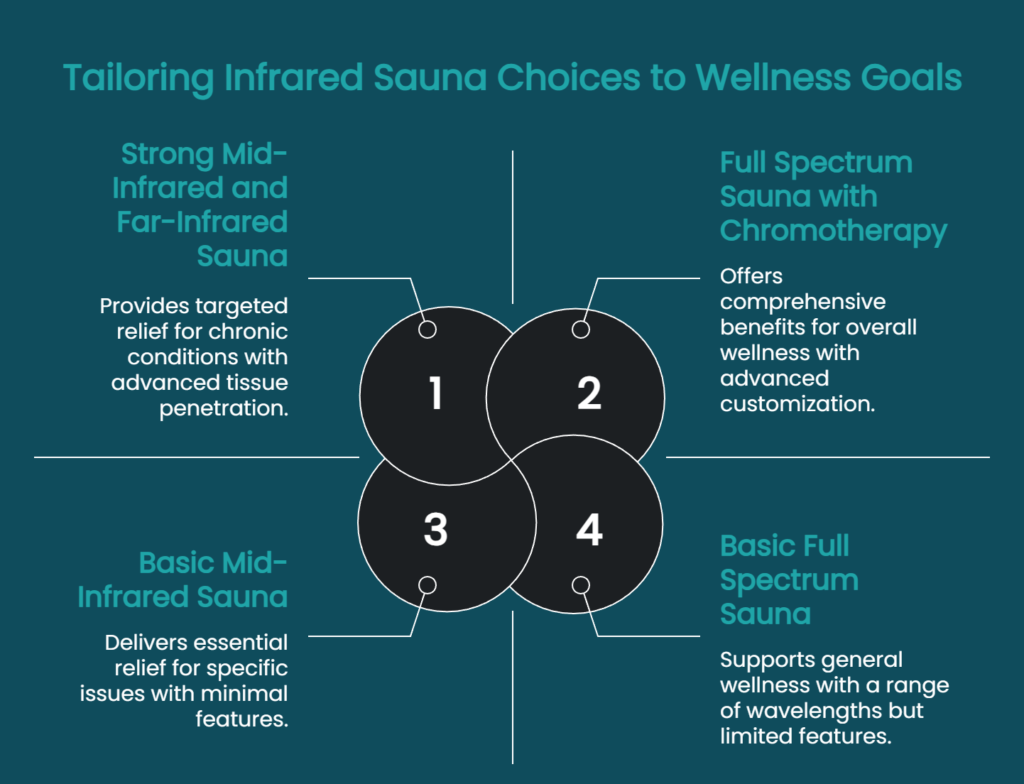
You are focused on tangible results, from faster recovery to enhanced cellular function. A full spectrum sauna is your ideal tool. You can leverage near-infrared light for its proven benefits on mitochondrial stimulation and wound healing, accelerating recovery. Mid-infrared will be crucial for improving circulation to sore muscles, while far-infrared can help with overall detoxification to keep your system running cleanly.
For the Chronic Condition Manager
You are seeking targeted relief from specific issues like joint pain, inflammation, or cardiovascular concerns. Your decision should be guided by evidence. A sauna with strong mid-infrared and far-infrared capabilities is paramount. MIR is essential for penetrating tissues to address pain and circulation, while FIR offers documented support for blood pressure normalization. Some expert recommendations, like those from Dr. Young, often emphasize the importance of consistent FIR exposure for chronic conditions.
For the Wellness Seeker
Your goal is holistic well-being, including skin health, relaxation, and gentle detoxification. The gentler heat and targeted nature of a full spectrum infrared sauna are perfectly suited for you. You will appreciate the near-infrared for its anti-aging and skin-rejuvenating properties and the far-infrared for a purifying sweat that promotes relaxation and better sleep. The addition of chromotherapy would be a significant bonus, allowing you to customize each session to your mood.
Ultimately, the most effective infrared sauna experience is one that aligns with your body’s unique needs and wellness goals. Understanding the science behind different wavelengths and technologies can feel complex, but it’s the foundation for using infrared sauna therapy more intentionally and effectively.
If you’re exploring how infrared sauna lights fit into a broader sauna-based wellness approach — including protocols, comparisons, and long-term health considerations — you can find a full overview of sauna therapy and research-backed guidance on the Sauna Health Nut homepage.